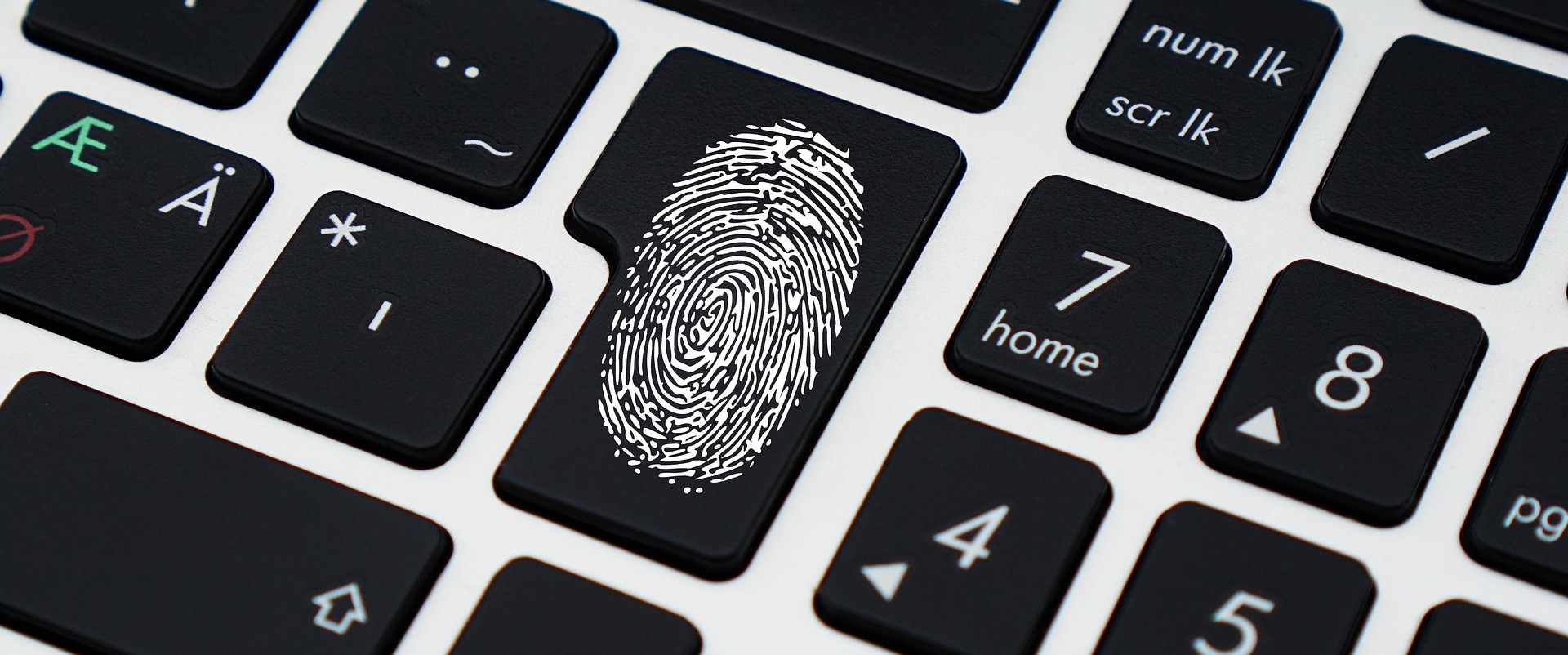
The WebAuthn technology has become an official standard for the World Wide Web. This was announced by the World Wide Web Consortium and the FIDO Alliance.
It is well known that passwords have become obsolete and their use is ineffective, according to the organization's press release. And it's not just about the fact that password theft, the use of simple passwords, and default passwords are the cause of 81% of data breaches - passwords simply waste your time and resources.
The WebAuthn technology (which stands for Web Authentication) is a browser and platform standard that provides simpler and more secure authentication, according to W3C and the FIDO Alliance. This technology allows users to log into their online accounts using their favorite devices, biometrics, or FIDO security keys.
The WebAuthn technology is already supported in Windows 10 and Android operating systems, as well as in Google Chrome, Mozilla Firefox, Microsoft Edge, and Apple Safari browsers. It is now declared the official standard for the World Wide Web, which should ensure its use instead of passwords.
You will not have to make much effort to prepare for the use of this technology. It will enter your life over the next few years through various devices and through the browsers you already use. As a result, your work on the internet will become more secure, and you will hardly have to make any effort for this.
Three ways you can log in
1. FIDO Security Key
The FIDO security key currently typically represents a USB drive that connects to a computer (desktop or laptop). When logging into an account on a web page, the browser checks whether the key is inserted into your computer. If the FIDO key is detected, the browser authorizes you on the web page, allowing you to log into the account - just as you did before with a password.
2. Biometrics
Biometrics is the detection and measurement of the presence of your body, or at least one of its parts. In the case of WebAuthn, it primarily refers to fingerprints and retina. Fingerprint sensors and retina scanners are today the most common devices on the market for verifying biometric data.
3. Mobile Device Apps
Mobile device apps will provide codes for logging into accounts from desktop computers and laptops. Such an app will display a code to the user, which they can then enter on the page from their desktop computer or laptop. If the entered code is correct, the user will be able to log into their account.
It should be noted that each of these methods is already used in some part of the World Wide Web. Ultimately, you will be able to use one, two, or all three of these methods for authentication on your favorite web page. It's just a matter of time.